History of Mithila
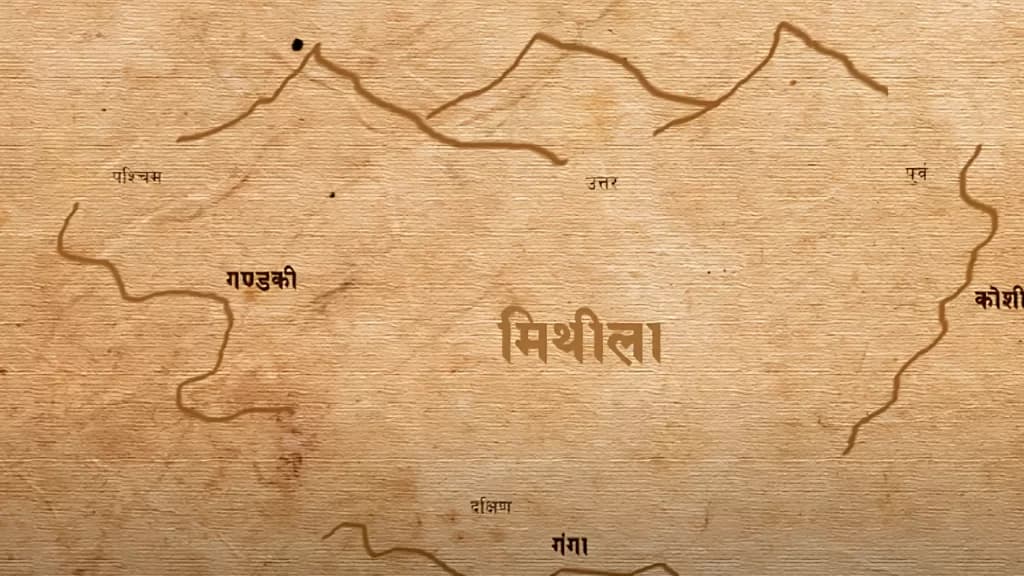
Mithila has a rich history dating back to ancient times, with mentions in Hindu epics like the Ramayana and Mahabharata.
The region has been a center of learning and culture, home to many philosophers, scholars, and artists over the centuries.
Mithila has seen the rise and fall of various dynasties and has been influenced by different cultures, resulting in its unique heritage.
Key Historical Events
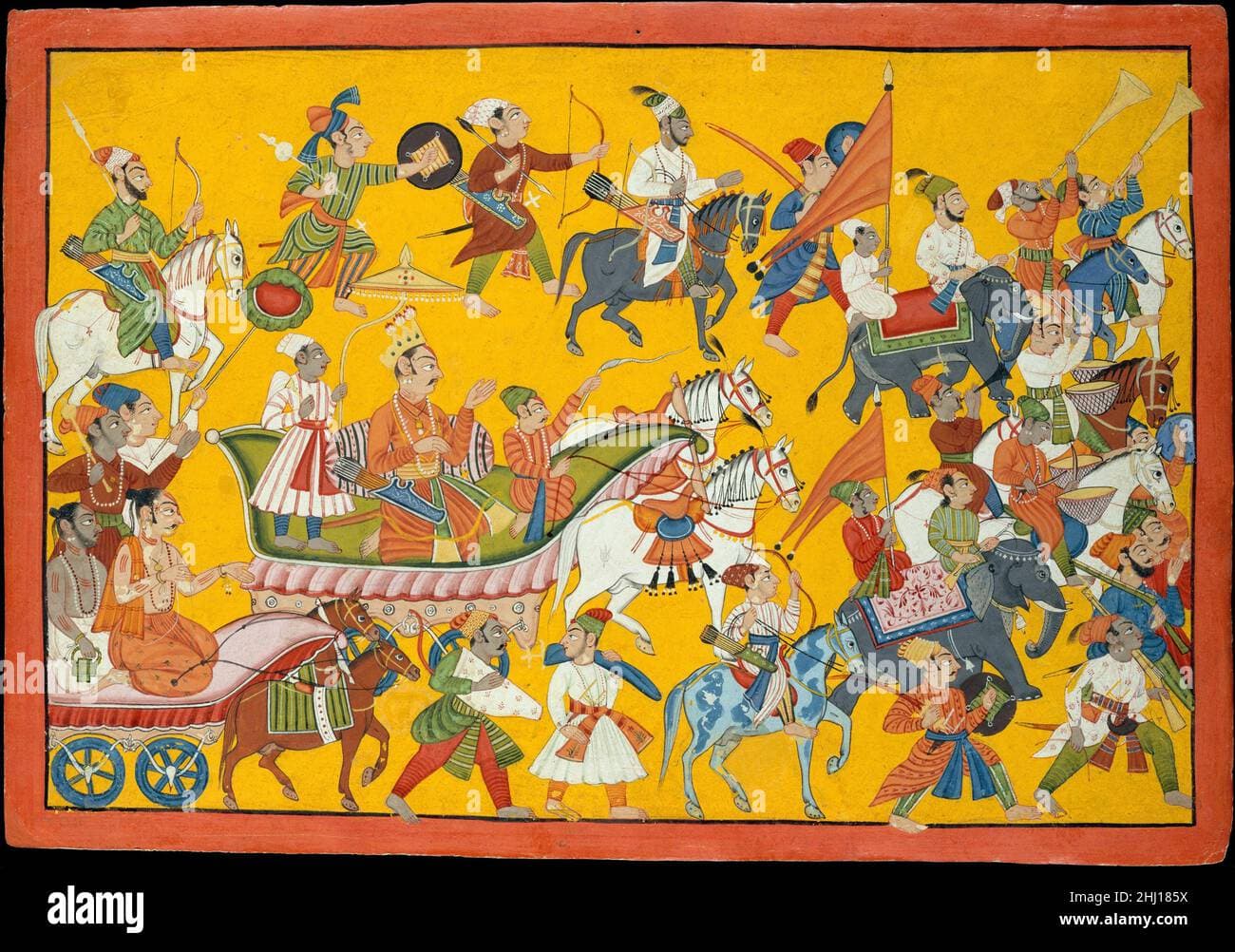
Ramayana Era
Mithila was the kingdom of King Janaka, father of Sita in the Ramayana.
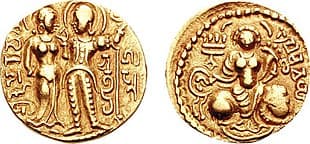
Licchavi Period
The Licchavi dynasty ruled Mithila from around 1st century BCE to 8th century CE.
Karnata Dynasty
The Karnata dynasty ruled Mithila from the 11th to 14th century CE.
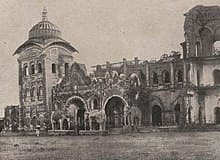
Darbhanga Raj
The Darbhanga Raj was established in the 16th century and continued until Indian independence.
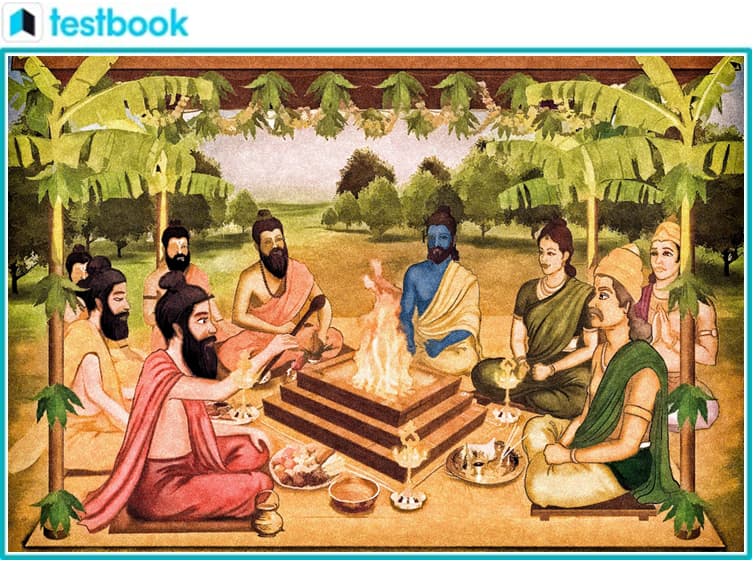
Vedic Period
Mithila was an important region during the Vedic period, known for its scholars and sages who contributed to the development of Vedic literature.
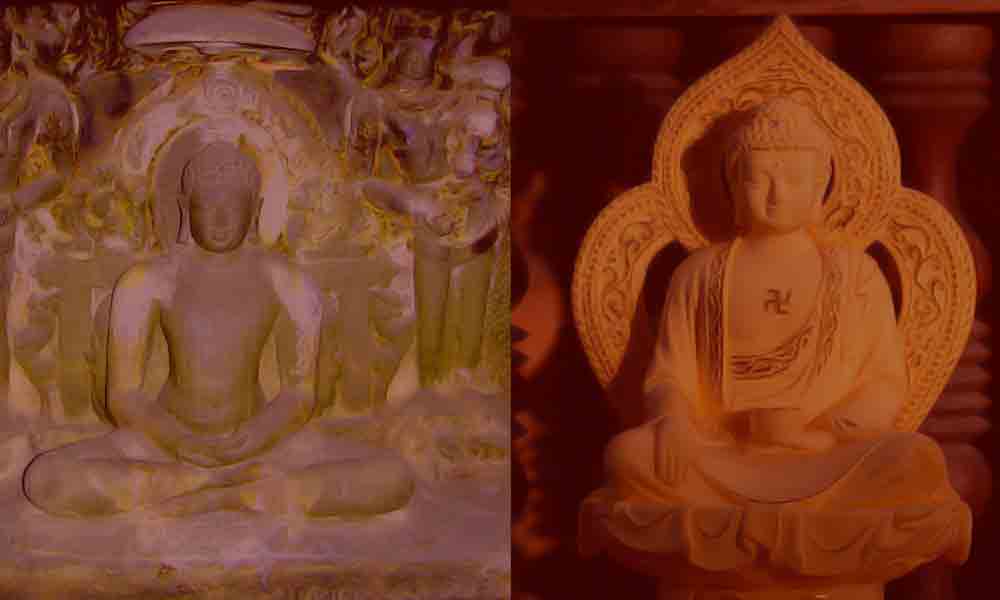
Buddhist and Jain Influence
Mithila became a significant center for Buddhist and Jain teachings, attracting followers and scholars during this period.
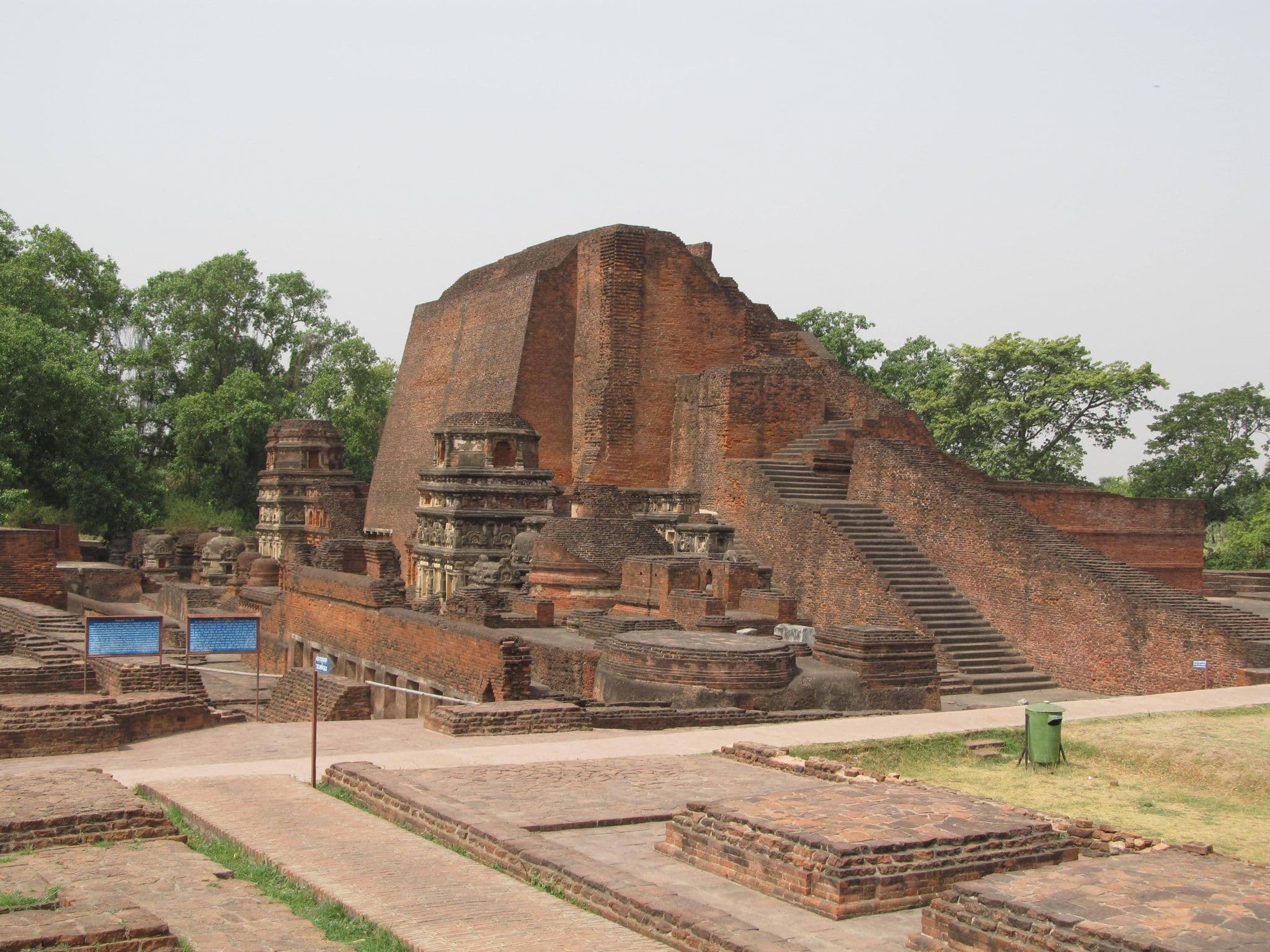
Pala Empire
The Pala Empire, which ruled much of northern India, had a significant influence on Mithila's culture, art, and architecture.
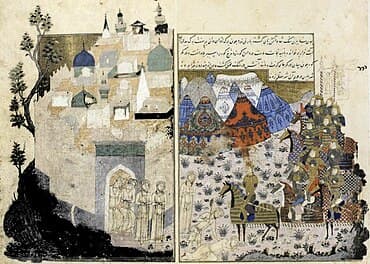
Tirhut Kingdom
After the decline of the Pala Empire, the Tirhut Kingdom emerged in Mithila, known for its patronage of art and learning.
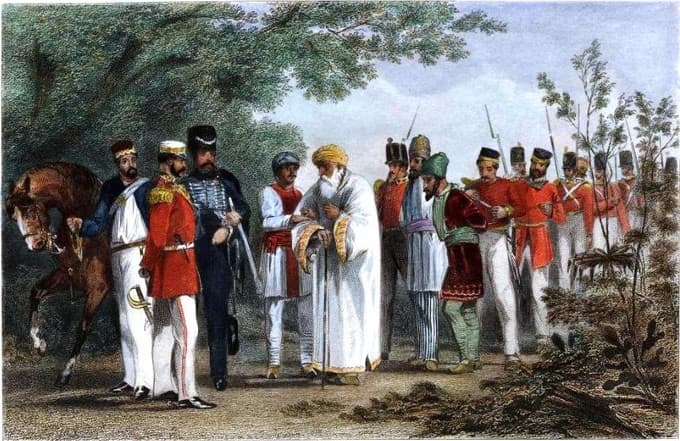
British Colonial Period
Mithila, like much of India, came under British rule in the 18th century, leading to significant changes in its political and social structure.